
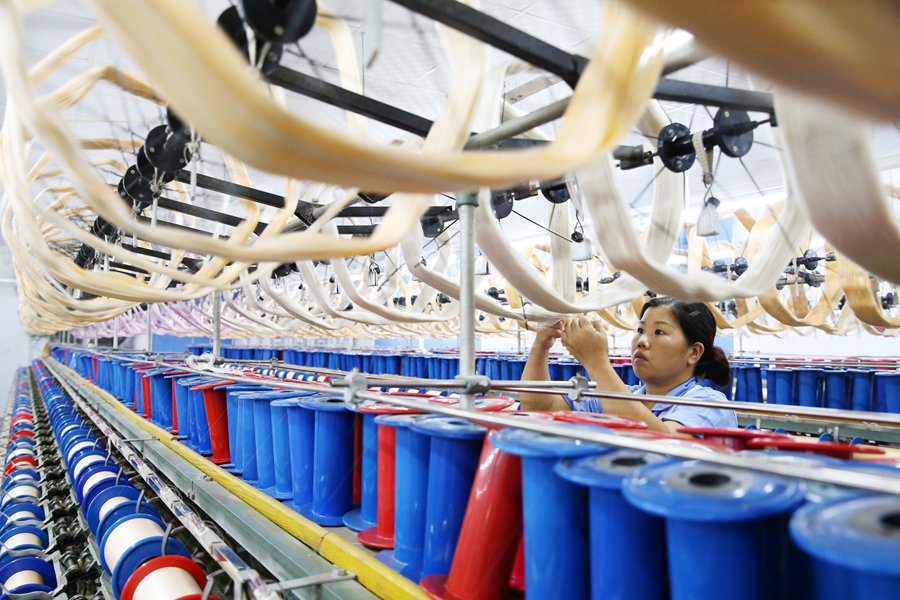
Greige fabric is the woven material as it comes from the loom, before dyeing and most finishing treatments. This is a useful point to inspect it: a missing end, reed mark, oil spot or construction problem is easier to identify before the fabric moves into wet processing. It is also the stage where clear roll identification can prevent a problem in one batch from being mixed with another.
The checks below are intended for mill quality teams, fabric buyers and production staff. The acceptance limits should always come from the approved fabric specification and the inspection agreement for the order.
Start with the approved construction
Check the fabric code and compare the actual material with the approved specification. Depending on the order, this may include fibre composition, warp and weft yarn count, weave, ends per inch (EPI) and picks per inch (PPI). If the construction is wrong, later dyeing and finishing will not correct the underlying specification mismatch.
Use the agreed test method and record the measurement basis. If the fabric is a blend, remember that a visual check cannot confirm fibre percentages; composition needs an appropriate test or reliable production documentation.
Measure width and weight at the right stage
Measure the greige width at the points required by the mill’s inspection procedure. Record whether the figure is loom-state, relaxed or measured under a specified tension. Do not compare greige width directly with a finished-width requirement unless the expected process allowance has been agreed.
The same caution applies to GSM. Finishing can change both width and fabric weight per square metre. Record the greige result as a process-control figure and compare it with the correct greige-stage target, not automatically with the finished-fabric specification.
Look for defects that may affect processing
Inspect the fabric under suitable, consistent lighting. Typical findings include broken or missing ends, broken picks, holes, reed marks, weft bars, starting marks, slubs and oil or handling stains. Some defects are obvious on the loom; others become more visible after dyeing, when differences in absorbency or yarn tension can affect the appearance.
Record each finding by roll number, defect type and position. A note such as “some marks found” is difficult to act on. A useful record tells the next person where the defect is and whether the roll can proceed, needs repair or should be held for review.
Keep every roll traceable
Each roll should carry an identification label that connects it to the fabric style, production lot and inspection record. Record the roll number, measured length, width, inspection result and any remarks. If rolls are split, re-rolled or moved between processes, update the identification so the original lot can still be traced.
Good traceability matters when a shade, width or defect issue is found later. Without it, the factory may have to hold more material than necessary because it cannot identify which rolls are affected.
Confirm the fabric is ready for dyeing or finishing
Before releasing a lot, check that the correct process route and buyer requirements are available to the next department. Confirm any special instructions for shade, finish, shrinkage, width, hand feel or testing. If the fabric needs a specific pretreatment or finishing route, the production team should know this before processing begins.
Hubei Jintian carries out spinning and weaving, while dyeing and finishing are handled through approved third-party partners. For that reason, clear greige inspection records and roll identification are important when material moves between operations.
Greige inspection checklist
- Current fabric specification and approved sample are available.
- Composition, yarn count, weave and warp/weft density have been checked as required.
- Width and GSM are recorded against the correct greige-stage limits.
- Visible defects are identified by type, position and roll number.
- Roll labels, lot references and measured lengths are complete.
- Any hold, repair or process instruction is communicated before release.
For the next stage, see our guides to woven fabric inspection before bulk production and how woven fabric is produced. If you are sourcing fabric, you can send us your specification for a quotation.