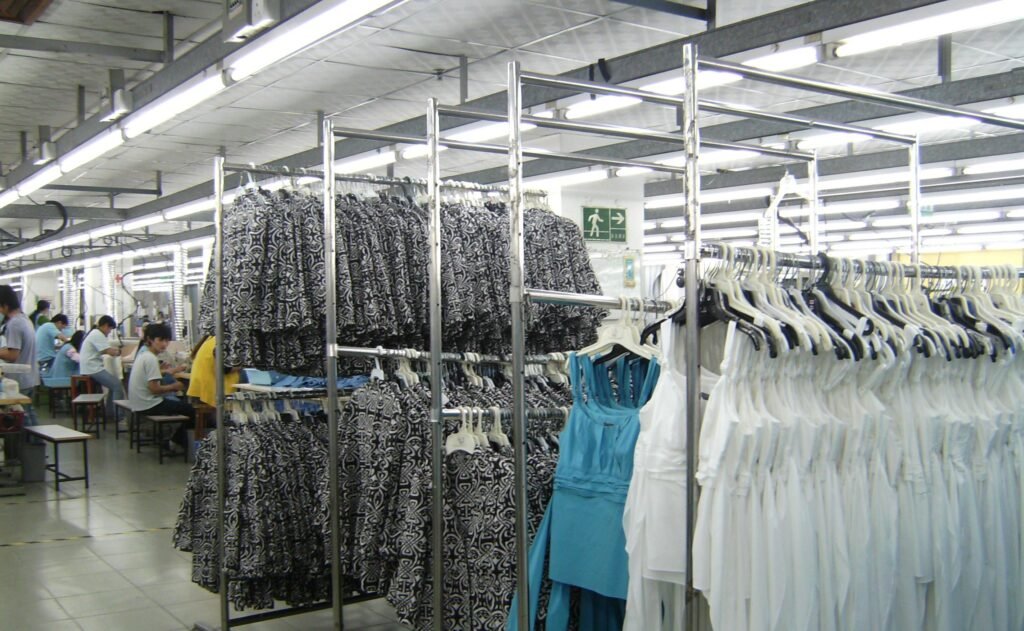

Proper panty ironing and underwear quality control help garments look neat, maintain their shape, and meet buyer requirements before packing. Because underwear can contain delicate knits, elastic, lace, trims, and heat-sensitive labels, finishing should always follow the approved care instructions and the fabric and trim supplier’s recommendations.
Watch the panty ironing video
Watch this short demonstration for panty ironing tips and common pressing mistakes:
How to iron panties safely
There is no single temperature suitable for every underwear style. Check the care label and approved finishing instructions first. Use the lowest effective heat and test the method on a representative sample before processing bulk garments.
- Check the fabric and trims: identify stretch knits, lace, elastic waistbands, printed details, bows, and heat-sensitive labels.
- Use controlled heat: follow the approved temperature, pressure, and dwell time for the material. Do not leave the iron in one place.
- Protect delicate areas: use an approved press cloth or suitable pressing equipment when required, especially around lace, prints, and elastic.
- Avoid stretching: support the garment naturally and do not pull the waistband or leg openings while pressing.
- Check moisture and cooling: avoid packing garments while damp or hot. Allow them to cool and recover their shape before final inspection.
- Follow the approved method: if the garment specification calls for steaming, moulding, or no direct ironing, follow that instruction instead.
Common panty ironing and finishing defects
Inspect garments for defects that can appear during pressing or handling. Common examples include shiny or glazed fabric, scorch marks, flattened or damaged elastic, lace distortion, unwanted creases, stretched openings, print damage, water marks, and heat-damaged care labels. Separate any questionable pieces and follow the factory’s approved repair or rejection procedure rather than hiding the defect through additional pressing.
Underwear quality control checklist before packing
A final inspection should confirm the garment matches the approved sample, measurement chart, workmanship standard, and packing instructions. The exact inspection plan and acceptance limits should be agreed with the buyer.
- Fabric and appearance: check for holes, stains, shade variation, needle damage, pilling, and visible surface defects.
- Stitching and seams: inspect skipped stitches, broken threads, seam opening, uneven stitching, and secure seam ends.
- Elastic and fit: check waistband and leg-opening attachment, recovery, symmetry, and measurements against the approved specification.
- Lace, trims, and prints: confirm correct placement and check for damage, peeling, distortion, or loose components.
- Labels and size: verify size, care label, brand label, composition details, and placement against approved artwork and buyer requirements.
- Finishing: check that garments are clean, evenly presented, free from unwanted creases and pressing marks, and correctly shaped.
- Folding and packing: confirm folding method, quantity, barcode or sticker, polybag, carton assortment, and packing details against the packing instruction.
Quality checks for garment factories and buyers
For consistent results, define the finishing method during sample approval, train operators on the approved settings, maintain pressing equipment, and record recurring defects. Check the first finished pieces after any setting change, then continue inspections according to the agreed quality plan. Keep a record of measurements, defect types, corrective actions, and final inspection results so the team can identify repeat problems.
Buyers and sourcing teams should confirm the approved sample, fabric composition, care instructions, measurement tolerances, workmanship requirements, and packing specification before bulk production. The inspection method and acceptance criteria should be documented rather than assumed.
Need help with garment or fabric sourcing?
Hubei Jintian Textile supports fabric sourcing and garment-related inquiries. Share your product type, material, target quantity, destination, and required quality standards so the team can review the request. Manufacturing scope and any third-party processes should be confirmed for each project.
Contact: miraz@hubeijintiantextile.com | WhatsApp: +8801880202619