
Textile fiber identification helps fabric buyers verify whether a material matches its declared composition. When two fibers look similar or show similar preliminary burn-test behavior, microscopy and controlled laboratory testing provide different types of evidence that should be interpreted together.
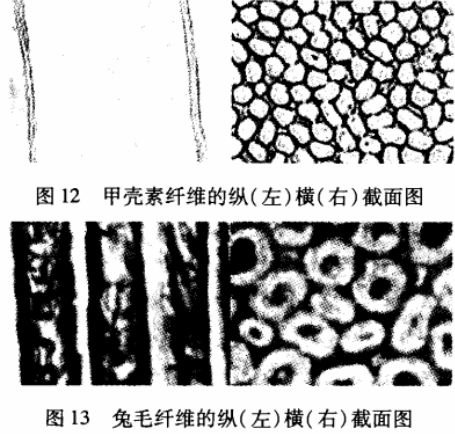
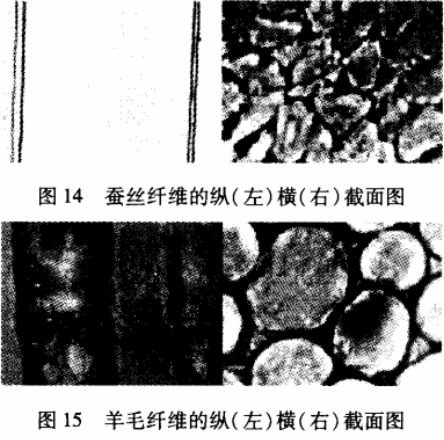
Image note: The featured microscope panel compares Tencel and Modal. It shows lengthwise views on the left and cross-sections on the right. The source labels are Chinese; the English description below names the fibers and explains the views.
What microscopy can show
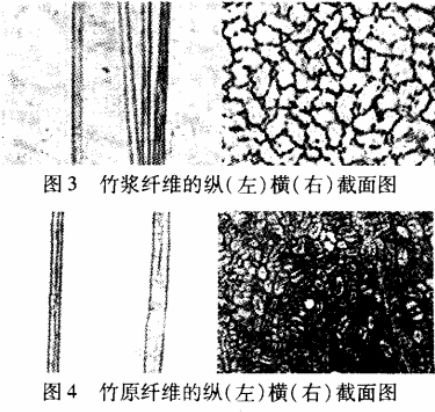
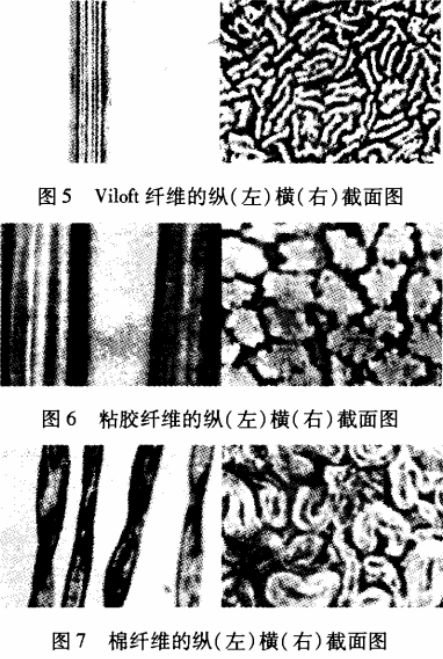
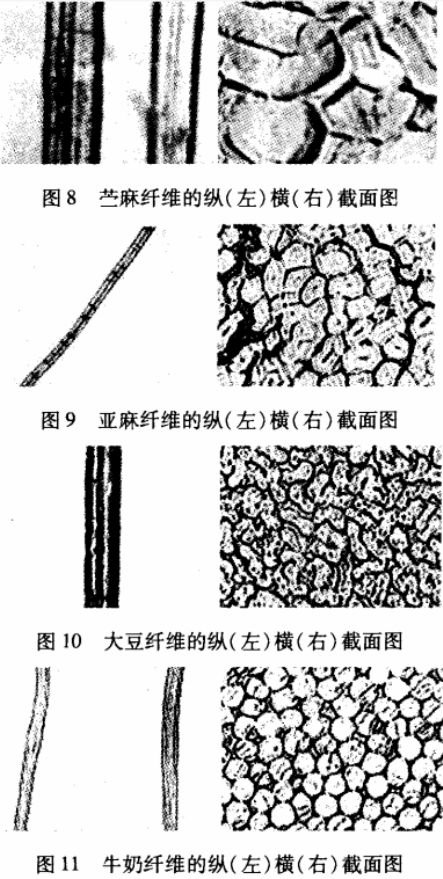
A trained analyst may examine the fiber’s longitudinal surface and cross-section. Natural fibers can have characteristic features—for example, cotton’s natural convolutions and wool’s scales. Manufactured fibers may be more uniform, while some specialty fibers have distinctive cross-sectional shapes or surface grooves.
Microscopy has limits. Processing, damage, finishing and the preparation of the sample can affect what is visible. Some regenerated cellulose fibers share similar characteristics. A visual match should therefore be compared with reliable reference material and confirmed by another appropriate method when necessary.
What a solubility test can show
In a controlled solubility test, a laboratory exposes a small sample to a specified chemical reagent under defined conditions and observes whether the fiber dissolves, swells or remains intact. The result depends on the reagent, concentration, temperature, exposure time and the fiber’s treatment or blend composition.
One reagent may affect several different fibers, so a single solubility result is rarely enough to establish an exact identity. Chemical tests can also create hazardous exposures or damage samples, and they should only be conducted by trained laboratory personnel using documented procedures.
What a solubility test for cotton can establish
Cotton is a cellulose fibre, but a chemical response that identifies cellulose does not, by itself, prove that a sample is cotton. Other natural and regenerated cellulose fibres—including flax, hemp, ramie, viscose, cupro, modal and lyocell—can belong to the same analytical group. Buyers should distinguish a test for cellulose content from a test that identifies a specific fibre.
For example, ISO 1833-11:2017 specifies a sulfuric-acid method for determining the mass percentage of certain cellulose fibres in mixtures with specified other fibres, including polyester. Its scope includes cotton alongside flax, hemp, ramie, viscose, cupro, modal and lyocell. It is therefore useful for the blend groups covered by the method, but it does not separate cotton from every other cellulose fibre. ISO last reviewed and confirmed this edition in 2022.
For qualitative identification and quantitative fibre analysis more broadly, AATCC’s current standards catalogue lists TM20 (Fiber Analysis: Qualitative) and TM20A (Fiber Analysis: Quantitative). The 2026 101st edition of the AATCC Manual of International Test Methods and Procedures became available on 2 January 2026. A laboratory should use the current method text and confirm that it covers the sample’s fibre combination and processing history.
Check legacy references before putting them into a new test request. ASTM lists ASTM D276-00a, Standard Test Methods for Identification of Fibers in Textiles, as withdrawn in 2021. If an older buyer specification still cites it, confirm the currently accepted method with the buyer and laboratory; do not substitute a different procedure without approval.
When requesting a cotton or cotton/polyester test, state whether you need fibre identity, blend percentage or both. Ask the laboratory to identify the method and edition, explain sample preparation and any removal of non-fibrous matter, and report whether the result is a mass percentage. Do not interpret a cellulose percentage as proof of cotton alone.
For a preliminary screening overview, see our guide to burn testing textile fibres. For the broader buyer workflow, read how to identify textile fibres.
Why the methods work better together
- Microscopy: provides information about physical morphology.
- Solubility testing: provides information about chemical response under specified conditions.
- Infrared spectroscopy or another validated instrumental method: may help confirm polymer chemistry when suitable for the sample.
- Blend analysis: may require a specific quantitative method, not just visual examination.
Checklist for fabric buyers
- Define exactly what needs to be verified: fiber identity, blend percentage, or both.
- Provide the laboratory with a representative sample and the supplier’s declared composition.
- Tell the laboratory whether the fabric is dyed, coated, laminated or chemically finished.
- Ask which standard or validated method will be used and whether it can distinguish the fibers in question.
- Retain the test report and a reference sample for future lot comparisons.
Conclusion
Reliable fiber identification is a systematic process. Microscopy can reveal useful structural clues, while controlled chemical or instrumental tests can provide additional confirmation. For high-value orders, disputed claims or compliance requirements, rely on a qualified textile testing laboratory rather than informal home experiments.
This article provides general educational information only. It does not prescribe chemical recipes or replace laboratory safety procedures, applicable standards or professional testing.