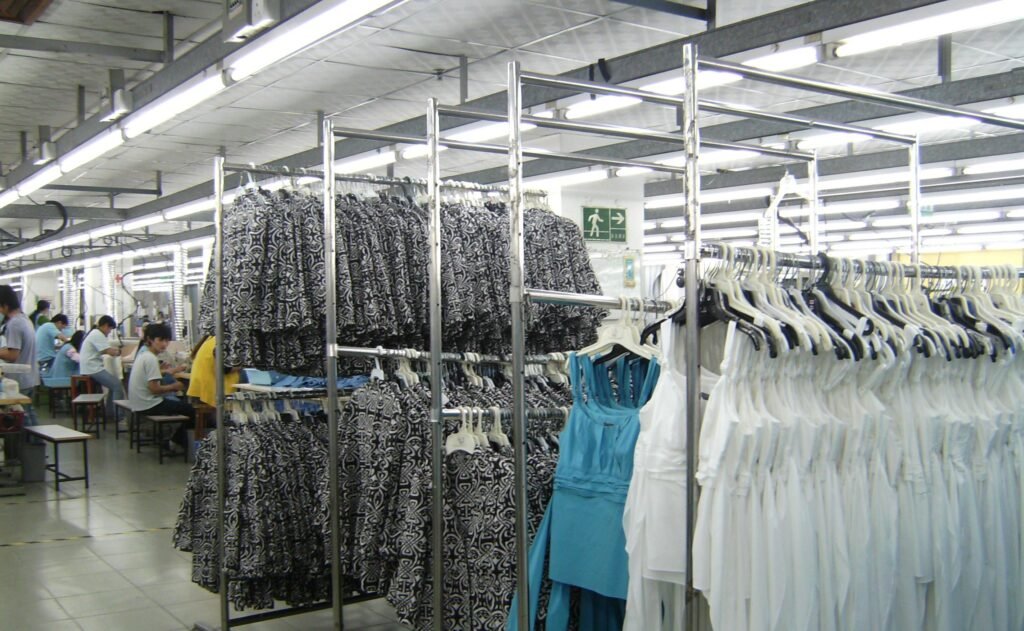
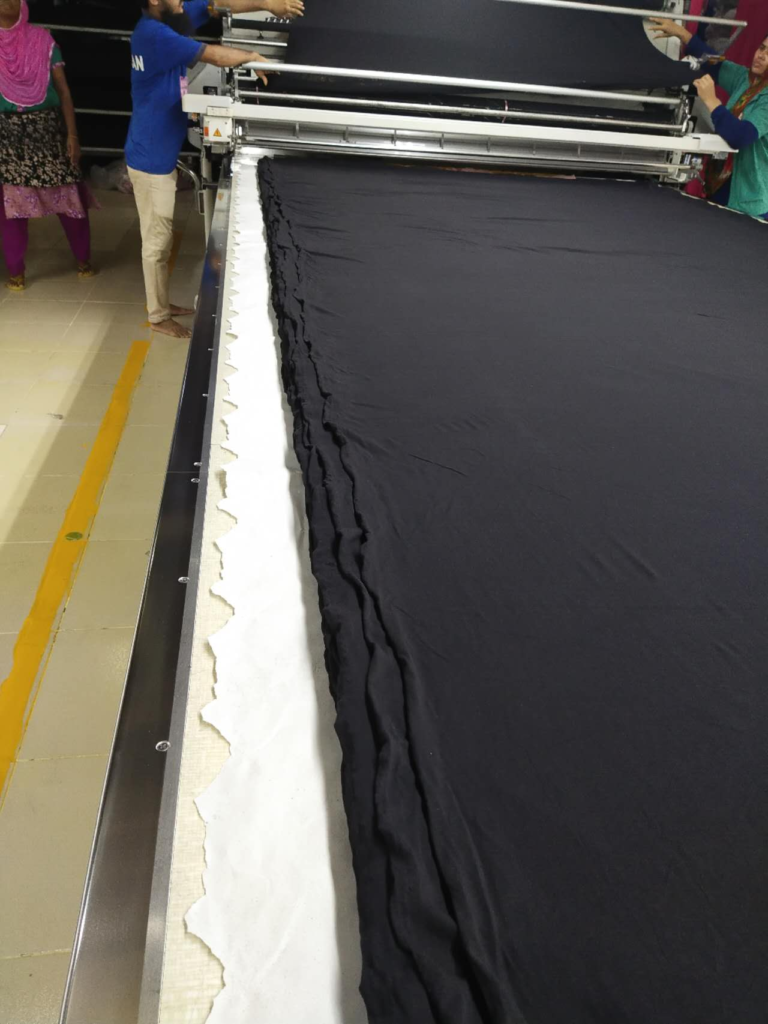
A cutting inspection should do more than count the panels in each bundle. The team needs enough time to check shape, dimensions, notches, fabric defects and shade grouping before the pieces move to sewing. Poor relaxation or spreading can create distortion, but mixing bundles or overlooking a damaged panel can carry the problem further down the line.


Cutting Inspection Must Go Beyond Counting
There have been cases where inspectors had insufficient time to check cut panels properly and focused mainly on turning panels over and counting them. Inspectors need enough time to assess the actual quality of the cut parts.
- Panel shape and dimensions.
- Edges, notches and pattern alignment.
- Visible fabric defects and needle marks near panel edges.
- Wrinkles, distortion or stretching that may affect the finished garment.
Bundle Mixing and Shading Risks
Parts assigned to groups A, B or C can become mixed during bundling, especially when marker layouts use complex arrangements to maximize fabric utilization. Some brushed fabrics also change shade according to the direction of the surface nap. Mixing parts with different groups, shade lots or fabric directions can cause visible garment inconsistencies.


Recommended Improvements
- Provide enough inspection time and use a consistent cut-panel quality checklist.
- Clearly identify A/B/C groups, sizes and part names on marker sheets and bundle tickets.
- Increase marker-paper font size so operators can read instructions easily.
- Keep bundles separated by group, size, shade lot and fabric direction where required.
- Maintain consistent nap direction for brushed or directional fabrics.
- Train cutting inspectors and bundle operators and document defects and corrective actions.


Conclusion
Thorough inspection and disciplined bundle control help prevent rejected panels, shade differences, rework and material waste. Clear labels, adequate inspection time and operator training are essential parts of cutting quality assurance.