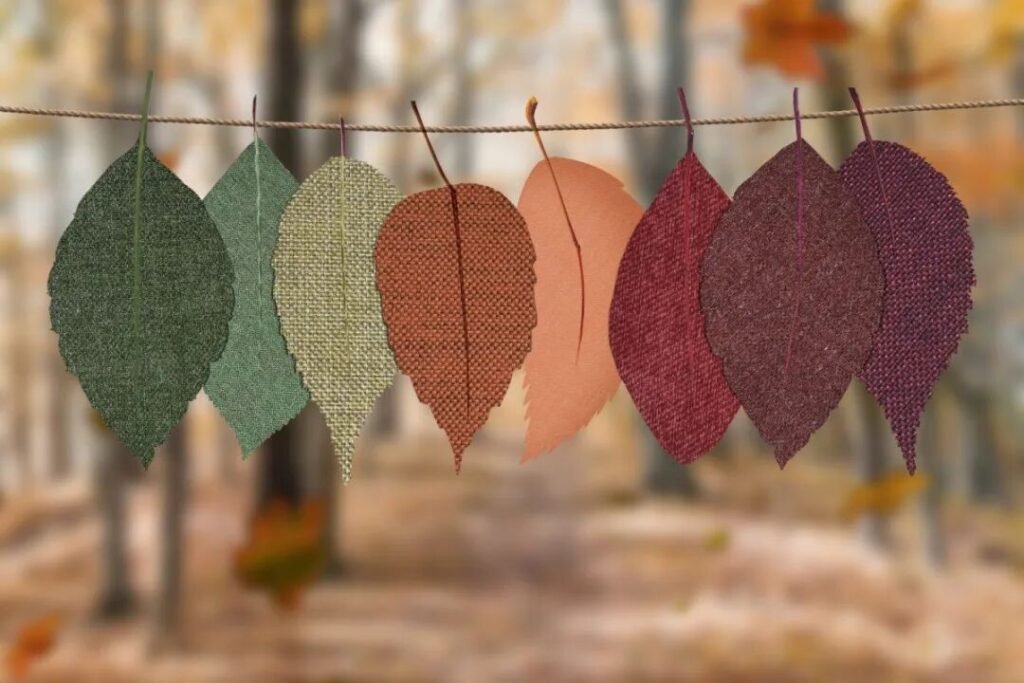
A colour shown on a monitor or printed card is only a design reference. The same dye shade can look different on fabrics with different fibres, weave structures, surface texture, lustre and finishing. Before bulk production, approve the colour on a representative fabric sample and record exactly what has been approved.

1. Define the sample being approved
Identify the fibre composition, yarn and weave construction, GSM, finish, colour reference and intended end use. A lab dip on a different substrate may not represent the bulk fabric. If the bulk route includes special finishing, confirm whether the approval sample has received the same relevant process.
2. Compare under controlled viewing conditions
Use the buyer’s specified light source, viewing environment and assessment procedure. Allow the samples and standard to be viewed consistently; avoid comparing one sample in direct sunlight and another under indoor lighting. If the product is sensitive to metamerism, assess under the additional light sources named by the buyer. Do not approve from a phone photograph alone.
3. Check texture and fabric performance separately
- Shade against the approved colour standard and agreed tolerance.
- Surface appearance, lustre, texture and hand feel.
- GSM, finished width and usable or cuttable width.
- Relevant shrinkage, colourfastness, pilling or other tests required for the end use.
- Bulk shade grouping and roll identification method.
4. Record the approval decision
Mark the reference with buyer, fabric article, construction, colour code, finish, sample date, revision and approval status. Record whether the approval is “approved”, “approved with comments” or “revise and resubmit”, using the buyer’s own approval terminology. Keep a retained reference that can be traced to the bulk order.
5. Control bulk shade before cutting
Check bulk rolls against the retained standard under the agreed viewing conditions. Record roll numbers and shade groups. Do not mix rolls from different shade groups in one garment unless the buyer’s shade-banding plan permits it. If variation is outside tolerance, segregate the affected material and agree sorting, reprocessing, replacement or another documented disposition before cutting.
Sample approval record
Include: fabric code and composition; construction and GSM; finished width; colour standard/code; finish; light source and viewing method; sample ID and date; comments; approval status; approver; and retained-reference location.
Buyer takeaway: use digital palettes to communicate direction, but approve colour and texture on the intended fabric. A signed or otherwise traceable swatch and clear roll records make bulk decisions more consistent.